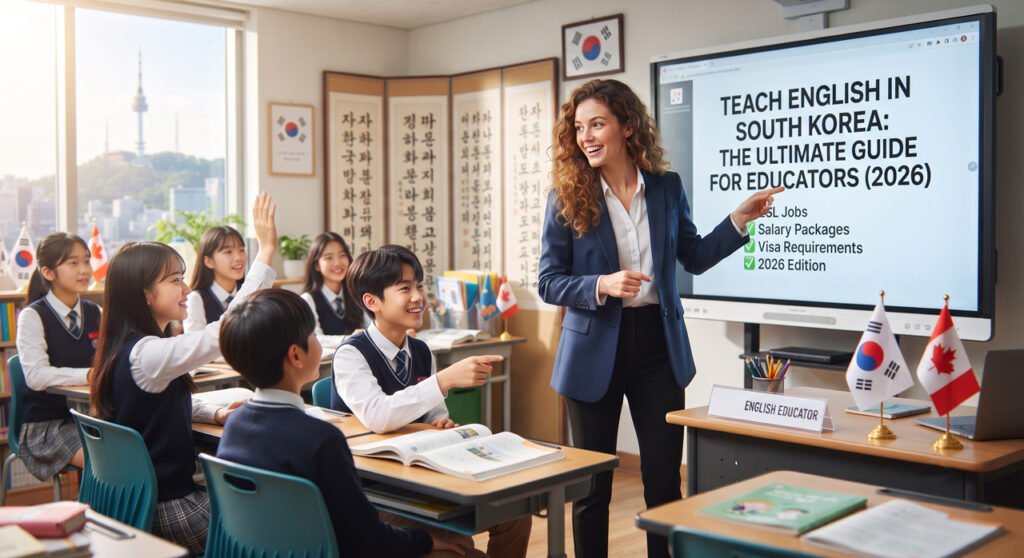
Are you dreaming of an international career that combines rich cultural traditions with cutting-edge technology, professional growth, and financial stability? If so, your journey starts here. Choosing to teach English in South Korea is one of the most rewarding decisions an educator can make. Whether you are a fresh college graduate looking to explore the world or an experienced ESL professional wanting a fresh adventure, South Korea offers an exceptionally well-structured education system and an incredibly welcoming expat community.
Why Teach English in South Korea?
South Korea remains a premier global destination for English teachers. Beyond the Hallyu wave (K-pop and K-dramas), stunning landscapes, and mouth-watering cuisine, the country places a massive cultural emphasis on education. Teaching English as a Second Language (ESL) here is respected, highly organized, and backed by robust employment packages.
When you decide to teach English in South Korea, you aren’t just securing a paycheck; you are opening doors to cross-cultural understanding, professional development, and lifetime friendships. Major cities like Seoul, Busan, Incheon, and Daegu offer bustling metropolitan lifestyles, while smaller provinces provide a serene, traditional immersion experience.
Requirements to Teach English in South Korea
To legally secure an E-2 teaching visa and land a reputable position through trusted recruitment platforms like ESL Teaching Jobs in Asia, applicants must meet specific government-mandated requirements:
- Bachelor’s Degree: A minimum of a 3- or 4-year undergraduate degree in any major from an accredited university in a native English-speaking country.
- TEFL/TESOL/CELTA Certification: While some public programs prefer it, many private language academies (hagwons) or premium contracts strongly recommend or require a 120-hour (or Level 5) certification.
- Clean Background Check: A national criminal background check (apostilled and clear of any felonies).
- Citizenship: Native-level English speaker holding citizenship from the USA, Canada, UK, Ireland, Australia, New Zealand, or South Africa.
Types of Teaching Positions Available
Teachers generally choose between two primary school environments when they plan to teach English in South Korea:
1. Private Language Academies (Hagwons)
Hagwons are privately owned institutions catering to students ranging from kindergarteners to high schoolers. They hire year-round, offer higher starting salaries, and feature smaller class sizes. Working hours typically run from mid-morning to early evening (e.g., 9:00 AM to 6:00 PM for kindergarten-focused programs, or afternoon blocks for elementary students).
2. Public School Programs (EPIK, SMOE, GEPIK)
Government-run programs place native speakers into public elementary, middle, and high schools. These positions offer structured Monday-to-Friday schedules (approx. 8:30 AM to 4:30 PM), generous paid vacation time (often up to 26 days), and co-teaching arrangements with Korean English instructors.
Salary, Benefits, and Perks
One of the biggest incentives to teach English in South Korea is the comprehensive compensation package standard across the industry. Most full-time contracts include:
- Competitive Monthly Salary: Ranging typically from 2.1 to 2.8+ million Korean Won (KRW) depending on experience and qualifications.
- Free Furnished Housing: Rent-free single-studio housing provided close to the school, or a monthly housing allowance.
- Flight Allowance: One-way or round-trip airfare ticket reimbursement.
- Severance Bonus: A completion bonus equivalent to one month’s salary upon successfully finishing your 12-month contract.
- Medical Insurance & Pension: 50% health insurance coverage and National Pension contributions shared with your employer.
Tips to Land Your Dream Job
The competition for premier school districts in Seoul or Busan can be fierce. To ensure your resume stands out:
- Keep your professional documents (apostilled degree and background check) ready well in advance.
- Highlight any previous tutoring, mentoring, or childcare experience.
- Partner with reliable, transparent recruitment agencies that prioritize teacher welfare and smooth onboarding processes.
Final Thoughts
Embarking on an overseas adventure to teach English in South Korea is a life-changing step. It builds adaptability, grants financial freedom through built-in savings, and embeds you in one of the most vibrant cultures in the world. Ready to take the leap? Browse open listings, prepare your credentials, and start your application journey today!

