Classroom Management Chinese vs Korean Students: A Comparative Guide
Stepping into a classroom in East Asia for the first time is an experience that stays with you forever. Whether you found your position through dave’s esl cafe or a specialized recruiter, the reality of the job hits the moment thirty pairs of eyes fixate on you. When it comes to esl asia, success isn’t just about how well you know your grammar—it’s about how well you understand your audience. Specifically, mastering Classroom Management Chinese vs Korean Students is the secret sauce to a fulfilling teaching career.
While the West often views East Asia as a monolithic educational bloc, the reality is far more nuanced. China and South Korea share Confucian roots, but their modern classroom dynamics are distinct. This guide explores those differences to help you excel in teaching jobs in asia.
Understanding Classroom Management Chinese vs Korean Students
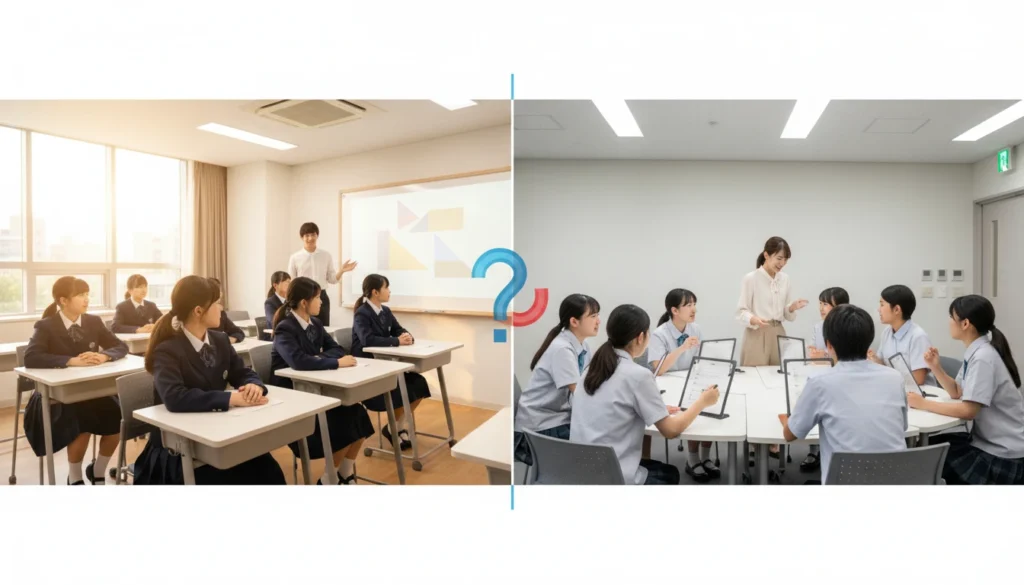
To effectively navigate Classroom Management Chinese vs Korean Students, one must look at the cultural architecture of the classroom. In China, the scale of the education system often dictates the management style. You might find yourself in a public school with 50 students, where the “sage on the stage” model still holds weight. Conversely, in South Korea, the “Hagwon” (private academy) culture creates a customer-service-oriented dynamic that changes how discipline is handled.
In both regions, teachers find that esl jobs asia require a blend of authority and empathy. However, the way you assert that authority varies. For Chinese students, the collective identity is strong. For Korean students, the individual competitive drive—fueled by the intense pressure of the CSAT (Suneung) exam—is often the primary motivator.
The Chinese Classroom Collectivism and Large Groups
When you accept teaching jobs in asia, particularly in mainland China, you are entering an environment that prizes social harmony. Chinese students are often taught from a young age to respect the position of the teacher as an absolute authority.
In terms of Classroom Management Chinese vs Korean Students, the Chinese side usually presents as more compliant on the surface. However, the challenge lies in engagement. In large classes, students may be hesitant to speak individually for fear of “losing face” or standing out from the group. Effective management here involves:
• Choral Repetition: Using the collective voice to build confidence.
• Gamification: Breaking the monotony of large groups with team-based competitions.
• Clear Hierarchy: Establishing yourself as the leader while maintaining a warm, “older sibling” rapport.
The Korean Classroom High Stakes and Competition
South Korea is often the first stop for those browsing dave’s esl cafe. The Korean classroom is a high-pressure environment. Because many students attend English classes late into the evening, fatigue is a major management hurdle.
When comparing Classroom Management Chinese vs Korean Students, Korean learners tend to be more vocal and individualistic in their classroom behavior. They are often highly motivated by rewards—not just physical prizes, but status-based rewards. Because the Korean education system is hyper-competitive, management strategies that leverage this competition usually work well. However, be prepared for more direct questioning from students; they want to know exactly why they are learning something and how it helps their grades.
Key Differences in Discipline and Motivation
In the realm of esl asia, discipline isn’t about punishment; it’s about redirection.
1. Directness: Korean students are often used to a more direct, sometimes blunt, style of feedback from their local teachers. As an expat, you can use a softer touch, but being too vague can lead to a loss of respect.
2. Social Pressure: In China, the fear of disappointing the group or the parents is a massive tool for Classroom Management Chinese vs Korean Students.
3. The Role of Technology: Korean classrooms are some of the most technologically advanced in the world. Management often involves integrating tablets and smartboards effectively. In China, while tech is growing, you might still find yourself relying on more traditional blackboard methods in tier-2 or tier-3 cities.
Bridging the Gap Universal Strategies for ESL Jobs Asia
Regardless of whether you are in a bustling school in Beijing or a sleek academy in Seoul, certain rules for Classroom Management Chinese vs Korean Students remain constant.
• Consistency is King: If you say there will be a consequence, follow through. Students in both cultures will test the boundaries of a new foreign teacher immediately.
• Rapport Building: In esl asia, the relationship comes before the curriculum. Take the time to learn about their pop culture (K-Pop in Korea, Douyin trends in China).
• Visual Cues: Don’t rely solely on verbal instructions. Use TTT (Teacher Talking Time) sparingly and augment your management with clear visual signals.
Conclusion Finding Your Flow in ESL Asia
Ultimately, the journey of Classroom Management Chinese vs Korean Students is one of constant adaptation. Your first week might feel like a whirlwind of cultural misunderstandings, but by the second month, you’ll find the rhythm that works for your specific group.
If you are currently looking at esl jobs asia or scrolling through dave’s esl cafe, remember that your ability to manage a classroom is what will make your experience rewarding. The students in these regions are some of the most hardworking and respectful in the world. By tailoring your approach to their unique cultural backgrounds, you aren’t just a teacher—you are a bridge between cultures.
Ready to start your journey? Check out the latest teaching jobs in asia on our job board and take the first step toward an unforgettable career in esl asia.
FAQ: Classroom Management in Asia
Q: Which country is easier for first-time teachers?
Both have their pros and cons. Korea offers a more structured “Hagwon” system, while China offers more variety in school types.
Q: How do I handle a student who won’t speak?
In both Chinese and Korean contexts, avoid putting them on the spot. Use pair work or group activities to lower their anxiety.
Q: Is physical discipline allowed?
No. While older generations may have experienced it, modern schools in both China and Korea have strict policies against it, and as a foreign teacher, you must always stick to positive reinforcement or standard school-sanctioned disciplinary tracks.


 Korean
  English